Water usage is something that most of us take for granted. This is especially so if you’re still living in the city where you enjoy a never-ending supply and the water is a consistent quality. Yet another differing factor in country living – water usage and the quality of that water, is something country living enthusiasts must consider and test regularly.
How Much Fresh Water Usage For A Farm?
That’s the first question. Let’s consider in-house water needs first. The average family of 4 uses 150 gallons per day. That includes drinking, washing bodies, dishes and laundry, and food preparation.
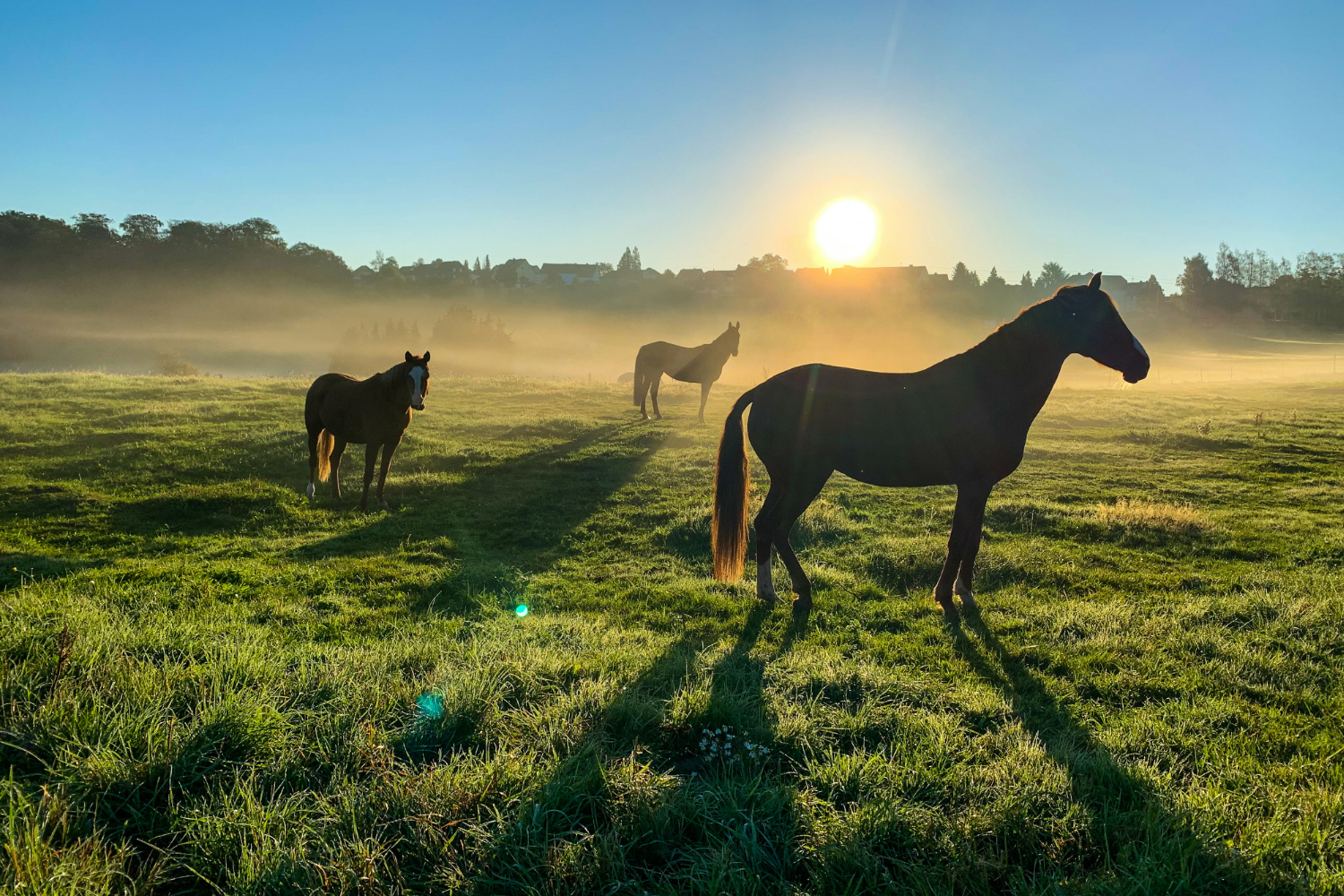
As for the barnyard animals and their needs, one horse drinks 6-10 gallons per day and a milking cow will consume up to 35 gallons per day. Factoring in the animals you plan to keep has significant impact on your need for water on a farm.
Test Existing Plumbing When Buying A Farm
If you are considering buying a farm house with a drilled or dug well and plumbing in place, make sure you test all taps in the house and on the property. This includes hydrants by the barn or in the field, as well as garden taps and every tap inside the house. 
While testing for future water usage needs, look for a consistent steady flow from each source. Run a few at a time that are in close proximity to each other and note the change in pressure if any. Keep in mind that almost any system will provide adequate supply during spring runoff and considerably slower in the final hot dry days of summer. Also remember that each area of the United States and Canada differs in their available water supply – you’re not looking for any specific measurement. These tests are more of a matter of comparison of potential water usage between the many farms you’re viewing and considering.
Smelling and tasting the water are good first measures as well. Ask the owner or agent if the water has been tested and, if so, request a copy of the report. If not, you can take a water sample to a lab yourself to have it tested for high levels of minerals (primarily salt), or any presence of bacteria.
Natural Water Sources
If you have rivers/ponds/streams on the property and are considering keeping grazing animals you may also want to have samples of those water sources tested. An ounce of prevention, after all. It is neither difficult nor costly to have this done. You simply need to take a sample from the source and send it off to a lab. Your municipal office will be able to direct you.
You want to ensure that your farm animals aren’t consuming run off from any form of pollution upstream or a sewage treatment plant or for that matter a neighbor’s faulty septic system — not the type of water you’ll want your animals drinking or children splashing in.
Public Water
The government or a local association may fund water distribution to the area. If the government, check to see if there are limitations to quantity. If an association, ensure that rights to the shares of the co-op are included with your farm land purchase.
Water Usage Rights
While your lawyer is checking for clear title and property easements, you will also discover whether another body (government, corporate or person) owns water rights to your property.
Final Consideration Regarding Water, Wells, Rights and Your Farm
If marshlands or shallow ponds exist on or near the property be fore-warned that these are prime breeding grounds for mosquitoes and other insects. You may have more than your share of bugs in spring and summer.